

Emissions Testing in Lexington, KY
- CELEBRATING 46 YEARS
- Family Owned & Operated
- All Makes & Models
- CELEBRATING 46 YEARS
- Family Owned & Operated
- All Makes & Models
Contact Us
Emissions Testing - Keep Your Car Clean and Legal
Mark was surprised when his well-maintained sedan failed its emissions test. The car ran fine and had no warning lights, but the emissions readings were just over the limit. After we diagnosed the problem – a faulty oxygen sensor – and made the repair, his car passed easily on the retest. “I had no idea a bad sensor could cause an emissions failure without affecting how the car runs,” he said.
Our Services
Contact Us
What Your Neighbors Are Saying About Us
They truly care about offering the right service and doing it at a very fair price. They were patient to explain everything in detail and had my car fixed same day. Their honesty and great service will keep me coming back for all of my car needs. A solid repair shop that will be my first choice going forward.
Could not be happier with the recent service I received at Powers Transmissions! David and his team are very knowledgeable and pleasant to work with. It’s nice to have the peace of mind knowing everything is done correctly. Very happy with the experience and highly recommend!
What stood out to me was their willingness to listen to my concerns over the phone and provide an accurate estimate for the repair timeline. Unlike some places, they didn't try to deceive me just to get me in the door. You can genuinely sense their passion for their work and helping customers.
Wow, excellent job. My HUMMER H2 runs so good. Now the Transmission can pull a barn down I have known Mr. powers for years. He is a stand up guy if he says something you can take it to the bank. I'm very happy.
Powers Transmissions took over and had my car done in less than a week. They worked with my warranty company and kept me updated on everything that was happening. Completely professional and competent unlike the first place I went! Thank you for all your help!
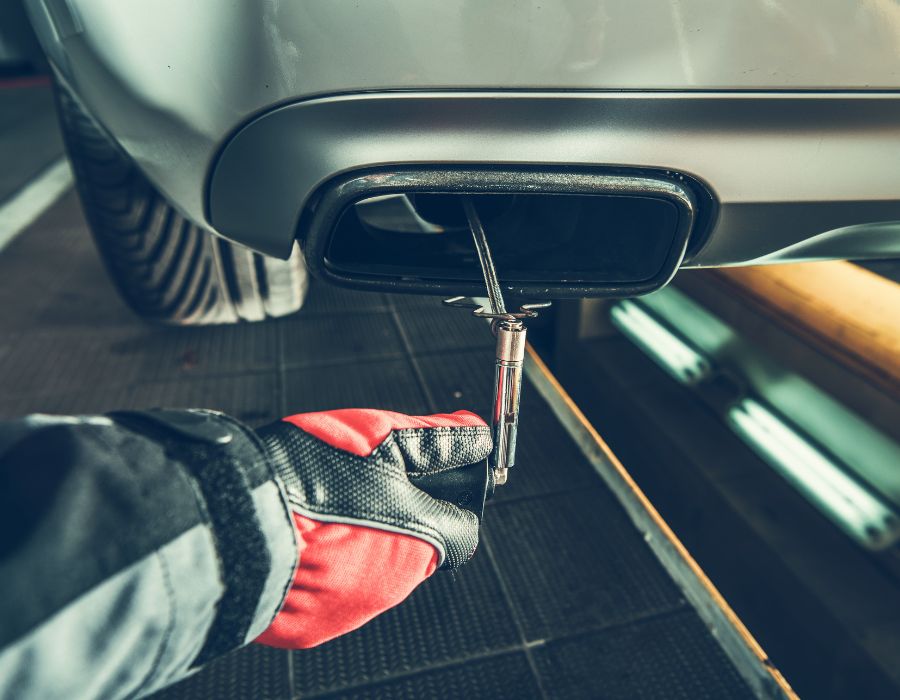
What Emissions Testing Measures
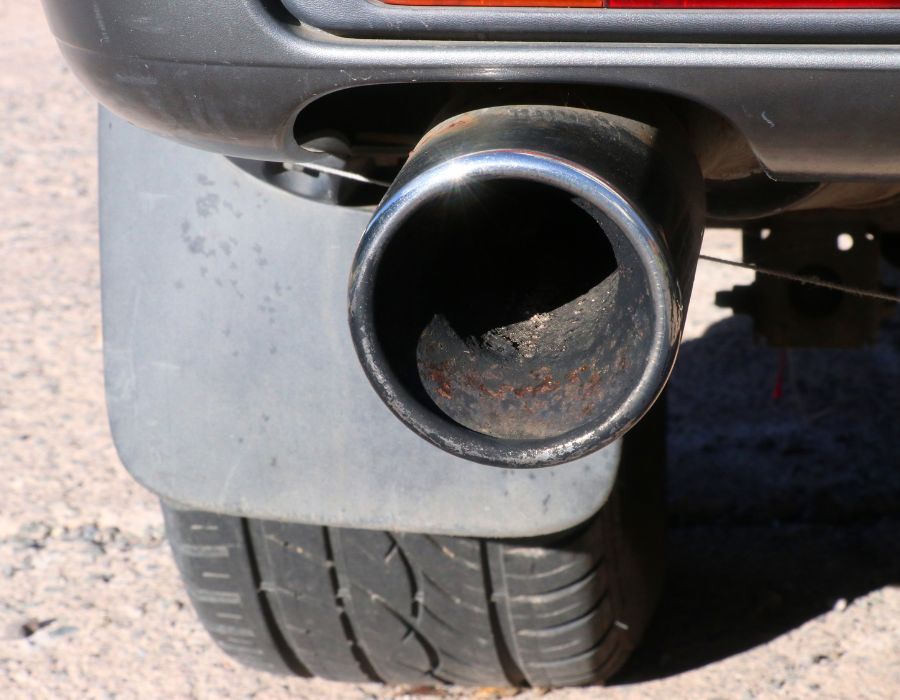
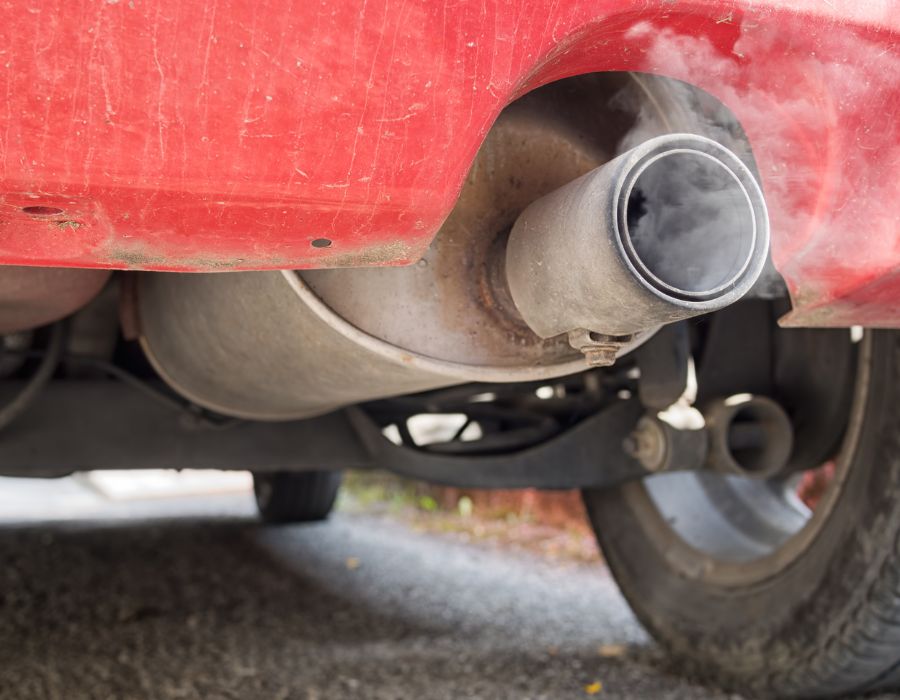
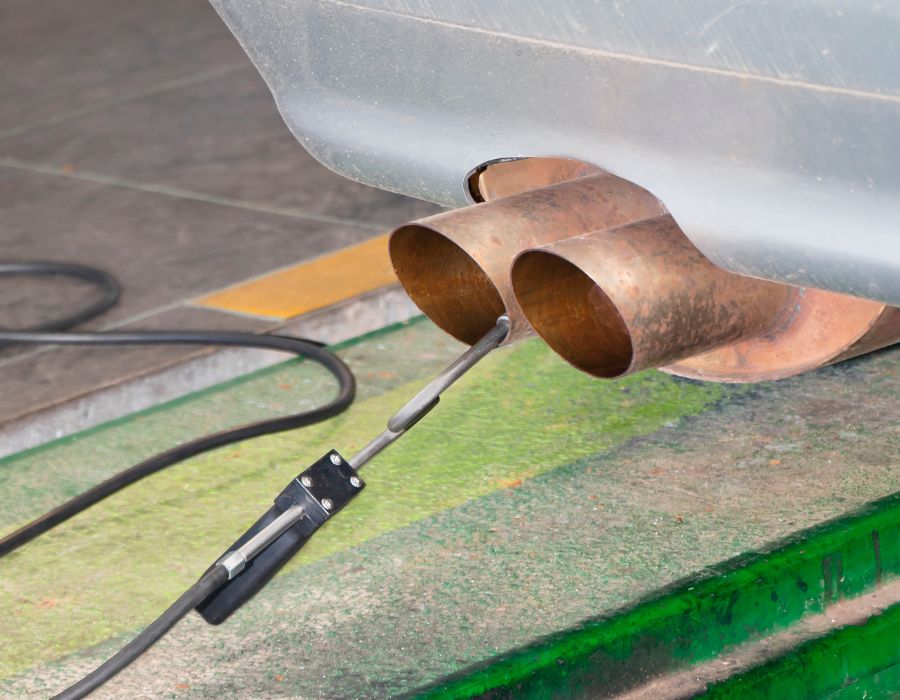
Emissions testing checks the pollutants your vehicle produces to ensure they’re within legal limits set by environmental regulations. The test measures harmful gases like carbon monoxide (CO), nitrogen oxides (NOx), and hydrocarbons (HC) that contribute to air pollution and smog.
Modern emissions testing also checks your vehicle’s onboard diagnostic (OBD) system to verify that all emissions control systems are functioning properly. This comprehensive approach catches problems that might not be obvious during normal driving.
Why Emissions Testing Is Required
- Air Quality: Vehicle emissions are a major source of air pollution in urban areas. Testing ensures that vehicles don’t exceed acceptable pollution levels.
- Public Health: Reducing vehicle emissions protects public health by decreasing respiratory problems and other health issues caused by air pollution.
- Environmental Protection: Lower emissions help protect the environment and reduce the formation of ground-level ozone.
- Federal Compliance: States with air quality problems are required by federal law to implement emissions testing programs.
- Climate Impact: Reducing vehicle emissions helps address climate change concerns.
Our Emissions Testing Process
When you bring your vehicle for emissions testing, we follow strict state-mandated procedures:
- OBD System Check: We connect to your vehicle’s computer system to check for error codes and monitor readiness.
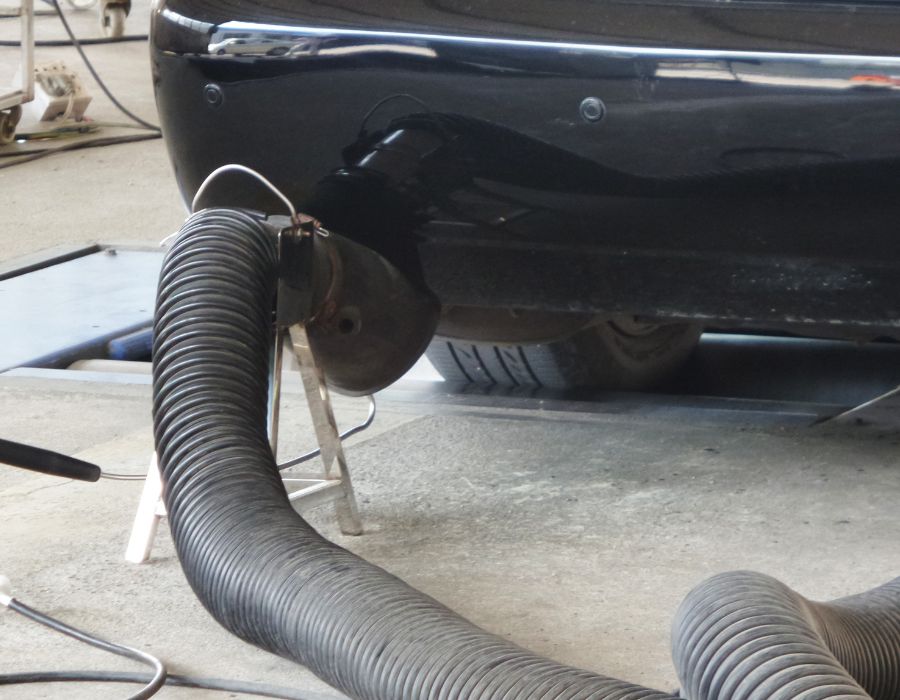
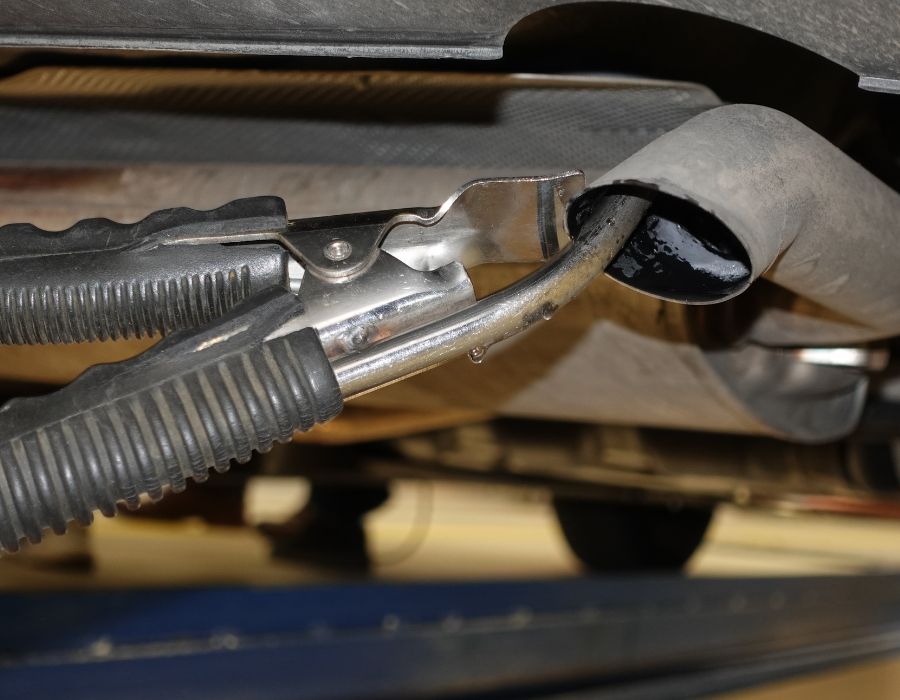
- Tailpipe Testing: For older vehicles, we measure actual exhaust emissions using specialized equipment.
- Visual Inspection: We check for proper emissions equipment installation and function.
- Documentation: We provide all necessary paperwork for vehicle registration and compliance.
- Retest Services: If your vehicle fails, we can perform repairs and retest to get you legal.
Common Causes of Emissions Failures
- Check Engine Light: Any illuminated check engine light will cause an automatic emissions test failure.
- Faulty Oxygen Sensors: Bad O2 sensors prevent proper fuel mixture control, causing high emissions.
- Catalytic Converter Problems: Worn or damaged catalytic converters can’t properly reduce harmful emissions.
- Engine Misfires: Misfiring cylinders produce excessive hydrocarbons and can damage catalytic converters.
- Vacuum Leaks: Air leaks in the intake system affect fuel mixture and increase emissions.
- Dirty Air Filter: Severely clogged air filters can cause rich fuel mixture and high emissions.
- Old Spark Plugs: Worn plugs cause incomplete combustion, increasing emissions output.
- Fuel System Problems: Dirty injectors or fuel system issues affect combustion and emissions.
Preparing for Emissions Testing
- Warm Up Your Engine: Drive your car for at least 20 minutes before testing to ensure all systems are operating at normal temperature.
- Recent Maintenance: If you’ve recently had engine work done, drive the car for several days to reset the computer monitors.
- Check Engine Light: Address any check engine lights before testing – they cause automatic failure.
- Fill the Tank: A full fuel tank helps ensure consistent test results.
- Use Quality Fuel: Fill up with top-tier gasoline before testing to help clean the fuel system.
- Avoid Quick Fixes: Don’t use temporary emissions additives – fix the real problems instead.
What Happens If You Fail
- Diagnosis Required: We identify the specific problems causing emissions failures using professional diagnostic equipment.
- Repair Estimate: We provide detailed estimates for necessary repairs to bring your vehicle into compliance.
- Quality Repairs: We use OEM or equivalent parts to ensure lasting repairs that meet emissions standards.
- Retest Service: After repairs, we retest your vehicle to verify it now meets emissions requirements.
- Warranty Protection: Our emissions repairs come with warranties to protect your investment.
Emissions Equipment Maintenance
- Catalytic Converter: The most expensive emissions component, requiring proper fuel mixture and no oil burning to last.
- Oxygen Sensors: Usually last 60,000-100,000 miles and should be replaced before they affect other components.
- EGR System: Exhaust gas recirculation systems need periodic cleaning to function properly.
- PCV System: Positive crankcase ventilation systems should be serviced to prevent oil contamination of the intake.
- Air Injection: Some vehicles have air injection systems that need maintenance to reduce emissions.
Seasonal Emissions Considerations
- Winter Testing: Cold weather can affect emissions readings and make some problems more apparent.
- Summer Smog: Hot weather increases smog formation, making emissions control even more important.
- Temperature Effects: Extreme temperatures can affect how emissions control systems operate.
- Driving Patterns: Short trips and stop-and-go driving can prevent emissions systems from operating optimally.
Modern Emissions Technology
- Direct Injection: Modern engines use advanced fuel injection for cleaner combustion and lower emissions.
- Variable Valve Timing: Systems that optimize valve timing for emissions and performance.
- Turbocharging: Smaller turbocharged engines provide performance while reducing emissions.
- Hybrid Technology: Electric motor assistance reduces emissions during stop-and-go driving.
- Advanced Catalysts: Modern catalytic converters are more efficient at reducing harmful emissions.
Cost of Emissions Repairs
Emissions repair costs vary widely depending on the problem:
- Oxygen Sensor: $200-400 including labor
- Catalytic Converter: $500-2,000 depending on vehicle
- Spark Plugs/Tune-up: $200-500 for complete service
- Vacuum Leak Repair: $100-300 depending on location
- Engine Management Issues: $300-800 for complex problems
Early detection and repair usually cost less than waiting until test failure.
Avoiding Emissions Problems
- Regular Maintenance: Follow manufacturer maintenance schedules to keep emissions systems healthy.
- Quality Fuel: Use top-tier gasoline with proper detergent packages to keep fuel systems clean.
- Address Check Engine Lights: Don’t ignore warning lights – they often indicate emissions problems.
- Proper Oil: Use the correct oil type and change it regularly to prevent engine problems that affect emissions.
- Drive Regularly: Regular highway driving helps keep emissions systems operating properly.
Environmental Impact
Your vehicle’s emissions affect:
- Local Air Quality: Especially important in urban areas with air quality problems.
- Regional Pollution: Emissions can travel and affect air quality hundreds of miles away.
- Health Effects: Reduced emissions mean fewer respiratory problems and health issues.
- Climate Change: Lower CO2 emissions help address global climate concerns.
Why Choose Our Emissions Service
We’ve been performing emissions testing and repairs for over 15 years. Our ASE-certified technicians understand emissions systems and have the diagnostic equipment needed to quickly identify problems.
We’re a state-licensed emissions testing facility with the latest equipment and software. When repairs are needed, we use quality parts and provide warranties on our work.
Schedule Your Emissions Test
Don’t wait until your registration expires to address emissions testing. If your check engine light is on, your vehicle is running poorly, or you’re due for testing, give us a call.
We provide convenient emissions testing with same-day results in most cases. If repairs are needed, we explain the problems clearly and provide honest estimates. Keep your vehicle legal and help protect the environment with professional emissions testing and repair service.
Areas We Serve
- Winchester Lexington
- Lane Allen Lexington