

TPMS Service in Lexington, KY
- CELEBRATING 46 YEARS
- Family Owned & Operated
- All Makes & Models
- CELEBRATING 46 YEARS
- Family Owned & Operated
- All Makes & Models
Contact Us
TPMS Service - Monitor Your Tire Pressure for Safety
Jennifer was frustrated because her tire pressure warning light kept coming on even though her tires looked fine. She’d check the pressure and everything seemed normal, but the light wouldn’t go away. When she brought her car to us, we found that one of her TPMS sensors had failed and needed replacement. After installing a new sensor and programming it to her vehicle, the system worked perfectly. “I didn’t realize those sensors could go bad,” she said. “Now I can trust my warning system again.”
Our Services
Contact Us
What Your Neighbors Are Saying About Us
They truly care about offering the right service and doing it at a very fair price. They were patient to explain everything in detail and had my car fixed same day. Their honesty and great service will keep me coming back for all of my car needs. A solid repair shop that will be my first choice going forward.
Could not be happier with the recent service I received at Powers Transmissions! David and his team are very knowledgeable and pleasant to work with. It’s nice to have the peace of mind knowing everything is done correctly. Very happy with the experience and highly recommend!
What stood out to me was their willingness to listen to my concerns over the phone and provide an accurate estimate for the repair timeline. Unlike some places, they didn't try to deceive me just to get me in the door. You can genuinely sense their passion for their work and helping customers.
Wow, excellent job. My HUMMER H2 runs so good. Now the Transmission can pull a barn down I have known Mr. powers for years. He is a stand up guy if he says something you can take it to the bank. I'm very happy.
Powers Transmissions took over and had my car done in less than a week. They worked with my warranty company and kept me updated on everything that was happening. Completely professional and competent unlike the first place I went! Thank you for all your help!

What TPMS Does
The Tire Pressure Monitoring System (TPMS) continuously monitors the air pressure in your tires and alerts you when pressure drops below safe levels. This system helps prevent tire blowouts, improves fuel economy, and extends tire life by ensuring proper inflation.
TPMS became mandatory on all vehicles sold in the US after 2007 because proper tire pressure is critical for vehicle safety. Under-inflated tires can cause loss of control, increased stopping distance, and catastrophic tire failure.
Types of TPMS Systems
- Direct TPMS: Uses pressure sensors inside each wheel that directly measure tire pressure and transmit data to your dashboard.
- Indirect TPMS: Uses ABS wheel speed sensors to detect changes in tire rotation that indicate pressure loss.
- Hybrid Systems: Some vehicles combine both direct and indirect monitoring for enhanced accuracy.
- Aftermarket Systems: Third-party TPMS systems can be installed on older vehicles for added safety.
Signs Your TPMS Needs Service
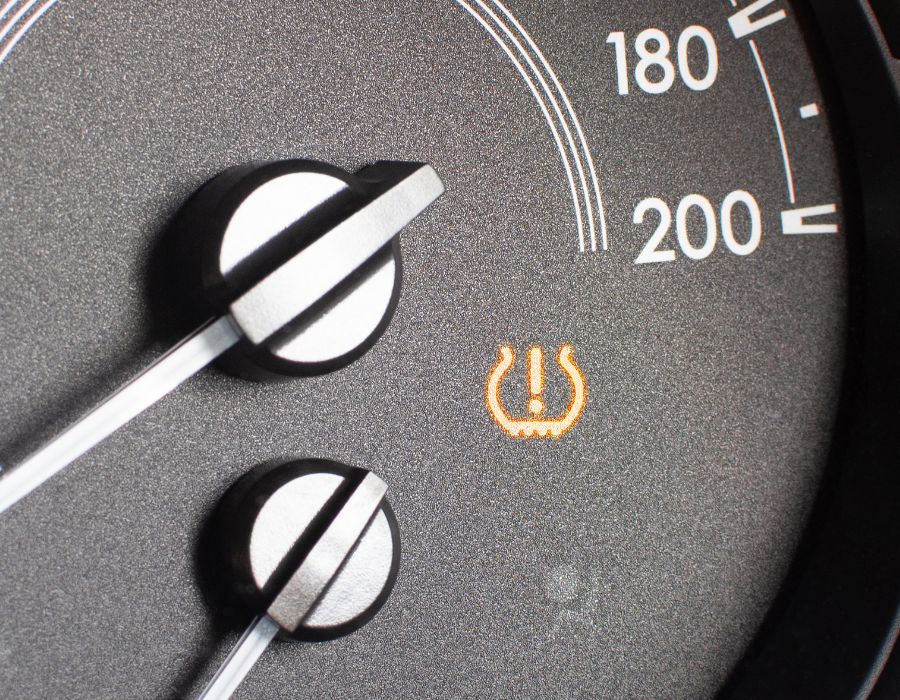
- Warning Light: The tire pressure warning light on your dashboard indicates low pressure or system problems.
- TPMS Light: A separate TPMS system light indicates problems with the monitoring system itself.
- Inaccurate Readings: If displayed pressures don’t match manual measurements, sensors may be faulty.
- No Readings: Missing pressure data from one or more tires indicates sensor failure.
- Warning After Tire Service: TPMS lights that appear after tire rotation or replacement often need sensor programming.
- Battery Life: TPMS sensors have batteries that last 5-10 years and eventually need replacement.
Our TPMS Service Process
When you have TPMS problems, we provide comprehensive diagnosis and repair:
- System Diagnosis: We use professional TPMS tools to identify which sensors are malfunctioning.
- Sensor Testing: We test each sensor’s battery life, signal strength, and accuracy.
- Programming Service: New or relocated sensors must be programmed to your vehicle’s computer system.
- Relearn Procedures: After service, we perform the specific relearn procedure for your vehicle.
- System Verification: We verify that all sensors communicate properly and warning lights are off.
- Customer Education: We explain how your TPMS works and how to maintain it properly.
Common TPMS Problems
- Dead Sensor Batteries: TPMS sensors have non-replaceable batteries that eventually fail.
- Physical Damage: Sensors can be damaged during tire mounting, balancing, or repair.
- Corrosion: Road salt and moisture can corrode sensor components and valve stems.
- Programming Issues: Sensors lose programming during tire service or battery replacement.
- Valve Stem Problems: TPMS valve stems can crack or leak, requiring replacement.
- Interference: Aftermarket wheels or modifications can interfere with sensor signals.
TPMS Maintenance
- Regular Pressure Checks: Don’t rely solely on TPMS – manually check pressure monthly.
- Gentle Tire Service: Inform tire shops about TPMS sensors to prevent damage during service.
- Sensor Protection: Avoid harsh chemicals or high-pressure washing near valve stems.
- System Resets: Learn your vehicle’s TPMS reset procedure for after tire pressure adjustments.
- Professional Service: Have TPMS systems serviced by shops with proper equipment and training.
Benefits of Proper TPMS Function
- Safety: Early warning of pressure loss prevents tire failure and accidents.
- Fuel Economy: Properly inflated tires improve gas mileage by reducing rolling resistance.
- Tire Life: Correct pressure prevents uneven wear and extends tire life significantly.
- Performance: Proper pressure maintains optimal traction, handling, and braking.
- Legal Compliance: Functioning TPMS may be required for vehicle inspection in some areas.
TPMS Service During Tire Work
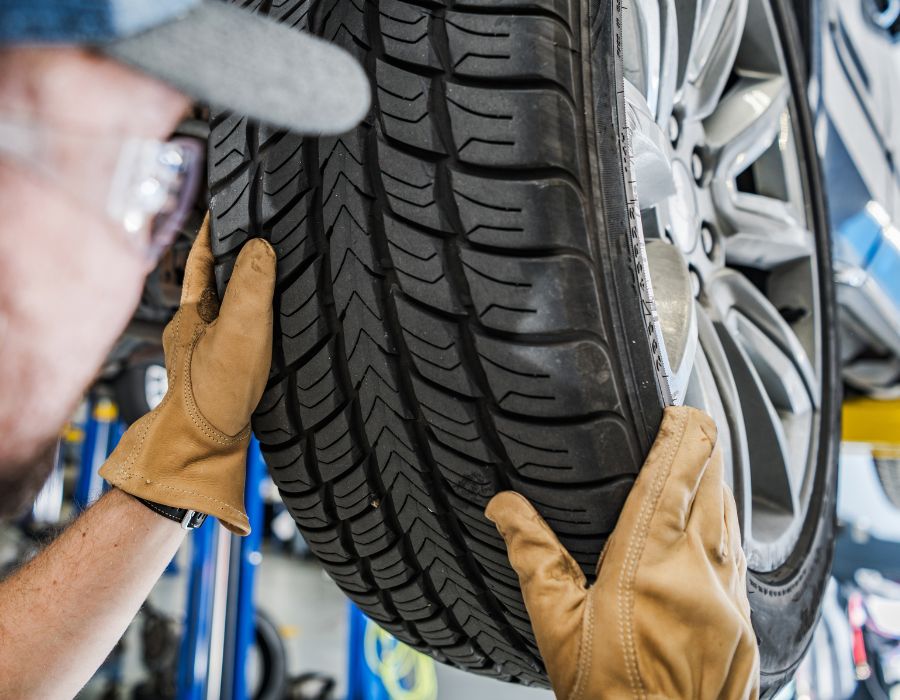
- Sensor Removal: Careful removal prevents damage to expensive sensors.
- Valve Stem Service: TPMS valve stems should be replaced when mounting new tires.
- Sensor Installation: Proper installation and torque prevent leaks and damage.
- Programming Requirements: Sensors must be programmed to the correct wheel position.
- System Testing: Complete system testing ensures proper operation after service.
Seasonal TPMS Considerations
- Temperature Effects: Tire pressure drops about 1 PSI for every 10-degree temperature decrease.
- Winter Warnings: Cold weather often triggers TPMS warnings that require pressure adjustment.
- Spare Tire Monitoring: Some vehicles monitor spare tire pressure; others require manual reset when using spare.
- Seasonal Tire Changes: Switching between summer and winter tires may require TPMS sensor swapping or additional sensors.
Cost Considerations
TPMS service costs vary based on the problem:
Programming/Reset: $50-100 for system programming or reset procedures Sensor Replacement: $50-150 per sensor plus programming Valve Stem Service: $10-25 per stem during tire mounting Complete System: $200-600 for replacing all sensors on older vehicles
Quality sensors last longer and provide more reliable service than cheap alternatives.
DIY vs Professional Service
- Pressure Adjustment: You can adjust tire pressure yourself, but may need professional reset.
- Programming Requirements: Most TPMS programming requires professional scan tools.
- Sensor Installation: Mounting sensors requires tire equipment and specialized knowledge.
- System Diagnosis: Identifying faulty sensors requires professional TPMS tools.
- Warranty Protection: Professional service provides warranties and proper documentation.
TPMS and Aftermarket Wheels
- Sensor Compatibility: Aftermarket wheels must accommodate TPMS sensors properly.
- Clearance Issues: Some wheels don’t provide adequate clearance for sensors.
- Programming Requirements: Sensors may need reprogramming when wheels are changed.
- Additional Sensors: Some customers buy extra sensors for aftermarket wheels to avoid reprogramming.
Advanced TPMS Features
- Individual Pressure Display: Some systems show pressure for each tire on the dashboard.
- Temperature Monitoring: Advanced systems also monitor tire temperature.
- Smartphone Integration: Some aftermarket systems provide smartphone alerts and monitoring.
- Predictive Alerts: Newer systems can predict pressure loss trends and warn before problems occur.
TPMS Regulations and Safety
- Federal Requirements: TPMS has been mandatory on all new vehicles since 2007.
- Warning Thresholds: Systems must warn when pressure drops 25% below recommended levels.
- Malfunction Indicators: TPMS must indicate when the system itself isn’t working properly.
- Safety Statistics: TPMS has significantly reduced tire-related accidents since implementation.
Troubleshooting TPMS Problems
- False Warnings: May indicate failing sensors, temperature effects, or system calibration issues.
- Intermittent Operation: Often caused by weak sensor batteries or interference.
- No Warnings: Could indicate completely failed sensors or system programming problems.
- Wrong Wheel Position: Sensors may need to be relearned to correct wheel positions.
Why Choose Our TPMS Service
We’ve been servicing TPMS systems since they became common and have the professional tools needed to diagnose and repair all types of systems. Our technicians understand the programming requirements for different vehicle makes and models.
We stock quality TPMS sensors and components for most vehicles and can complete service quickly. We also provide customer education about TPMS operation and maintenance to help you get the most from your system.
Schedule Your TPMS Service
Don’t ignore TPMS warning lights or drive with a malfunctioning tire pressure monitoring system. If your TPMS light is on, your pressure readings seem incorrect, or you need TPMS service during tire work, give us a call.
We provide fast, accurate TPMS diagnosis and repair using professional equipment. Keep your tires properly monitored for safety, efficiency, and performance with professional TPMS service from experienced technicians.
Areas We Serve
- Winchester Lexington
- Lane Allen Lexington