

Serpentine Belt Replacement in Lexington, KY
- CELEBRATING 46 YEARS
- Family Owned & Operated
- All Makes & Models
- CELEBRATING 46 YEARS
- Family Owned & Operated
- All Makes & Models
Contact Us
Serpentine Belt Replacement - Keep Your Accessories Running
Our Services
Contact Us
What Your Neighbors Are Saying About Us
They truly care about offering the right service and doing it at a very fair price. They were patient to explain everything in detail and had my car fixed same day. Their honesty and great service will keep me coming back for all of my car needs. A solid repair shop that will be my first choice going forward.
Could not be happier with the recent service I received at Powers Transmissions! David and his team are very knowledgeable and pleasant to work with. It’s nice to have the peace of mind knowing everything is done correctly. Very happy with the experience and highly recommend!
What stood out to me was their willingness to listen to my concerns over the phone and provide an accurate estimate for the repair timeline. Unlike some places, they didn't try to deceive me just to get me in the door. You can genuinely sense their passion for their work and helping customers.
Wow, excellent job. My HUMMER H2 runs so good. Now the Transmission can pull a barn down I have known Mr. powers for years. He is a stand up guy if he says something you can take it to the bank. I'm very happy.
Powers Transmissions took over and had my car done in less than a week. They worked with my warranty company and kept me updated on everything that was happening. Completely professional and competent unlike the first place I went! Thank you for all your help!
What Your Serpentine Belt Does
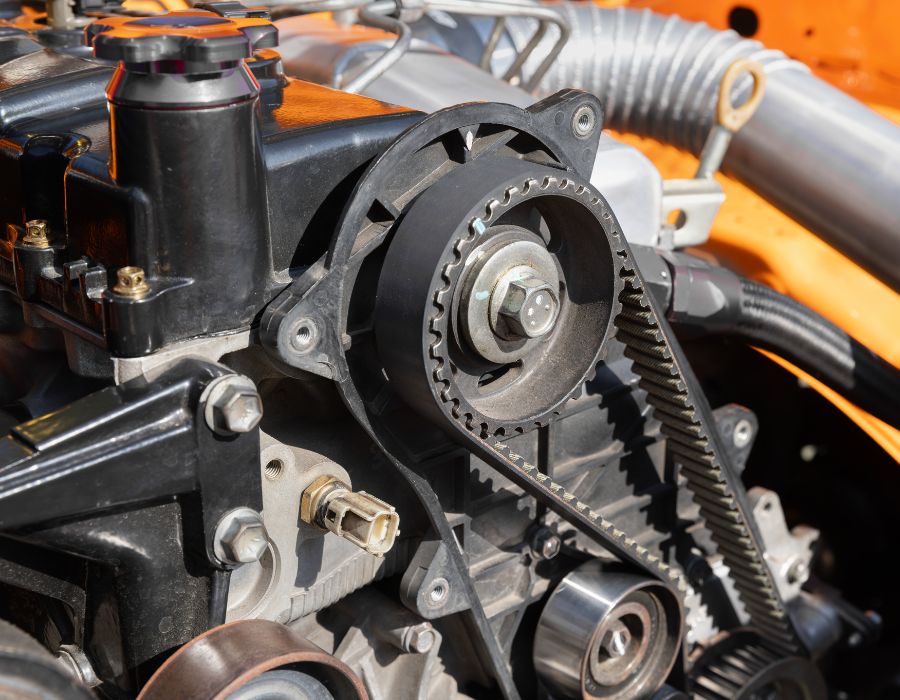
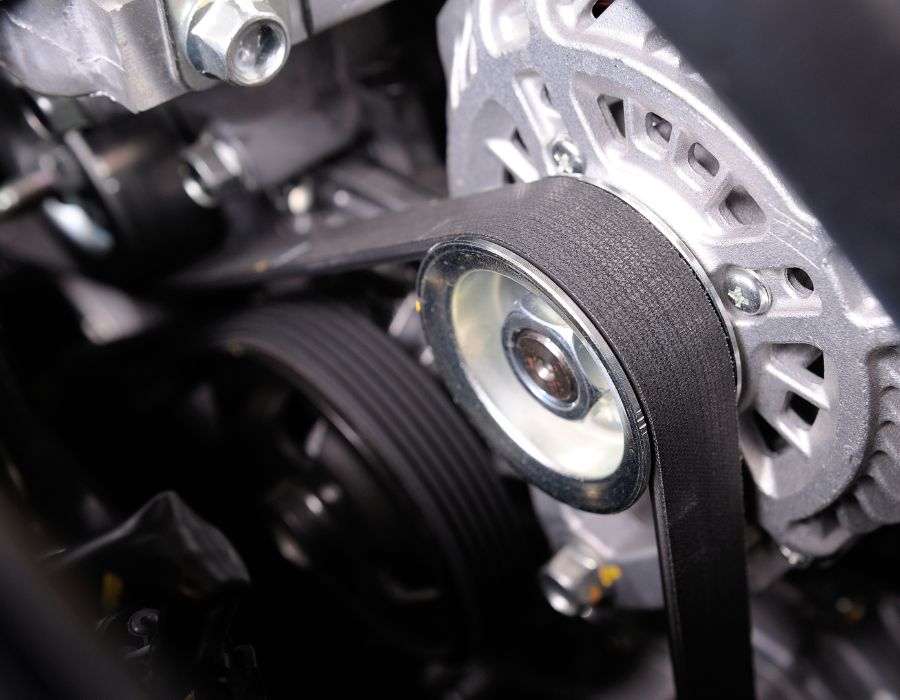
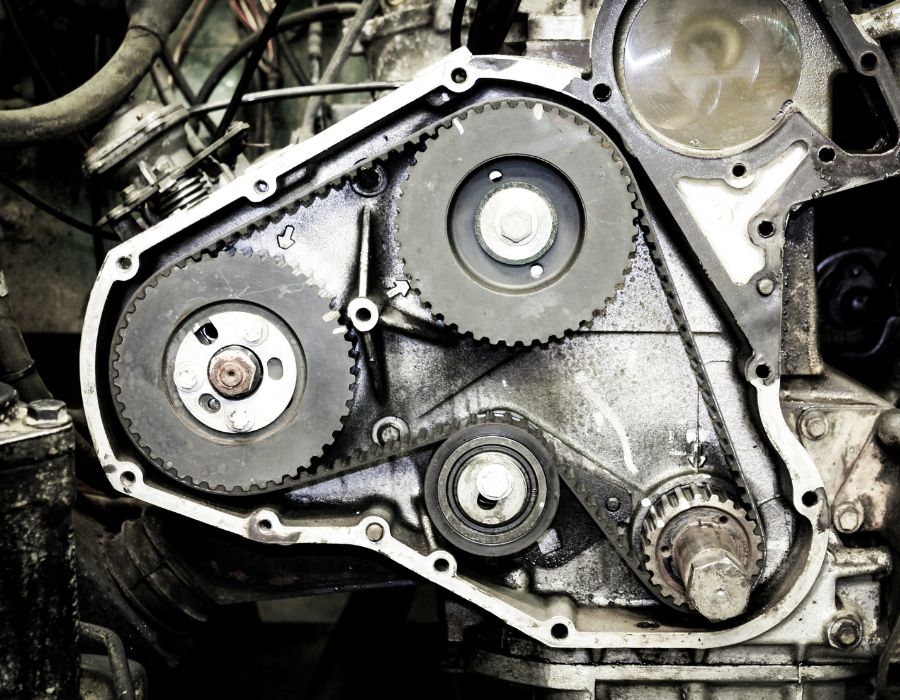
Your serpentine belt drives multiple engine accessories from a single, long belt that winds around several pulleys. It typically powers your alternator, power steering pump, air conditioning compressor, and water pump. Some vehicles have additional accessories like air injection pumps or cooling fans driven by the serpentine belt.
This belt is called “serpentine” because of the snake-like path it takes around various pulleys. Unlike older vehicles that used multiple V-belts, modern cars use one serpentine belt to drive everything, making it more efficient but also more critical to overall operation.
Signs Your Serpentine Belt Needs Replacement
- Squealing Noises: High-pitched squealing, especially when starting your car or using accessories, often indicates belt wear or improper tension.
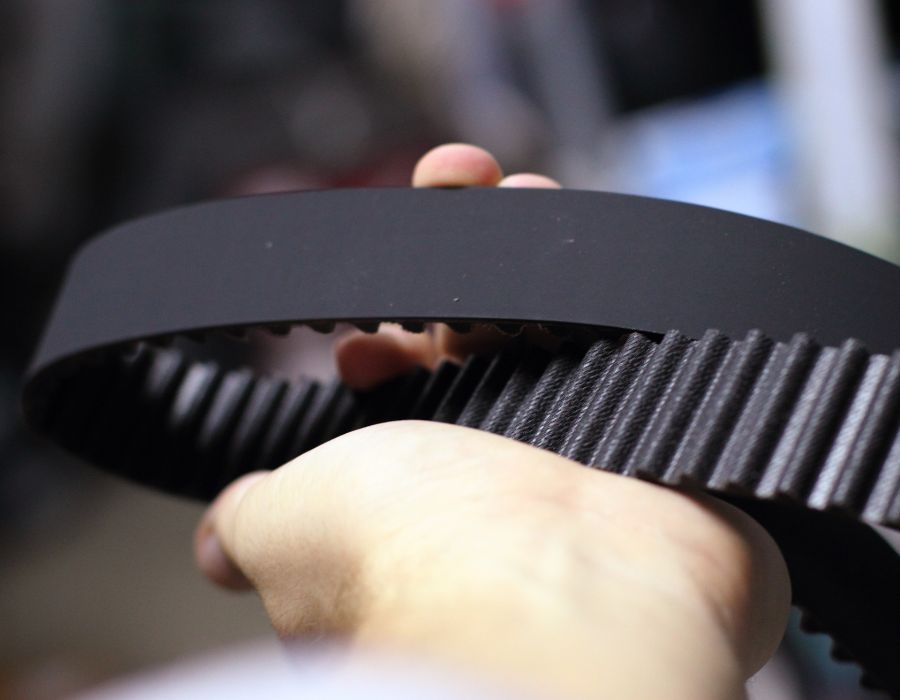
- Cracked or Frayed Belt: Visual inspection may reveal cracks, fraying, or chunks missing from the belt surface.
- Glazed Appearance: A shiny, smooth belt surface indicates overheating and loss of grip.
- Accessory Problems: If your power steering, air conditioning, or charging system work intermittently, your belt might be slipping.
- Belt Age: Most serpentine belts last 60,000-100,000 miles but should be inspected regularly after 50,000 miles.
- Tension Issues: A belt that appears loose or overly tight needs professional inspection.
- Belt Debris: Finding pieces of belt material under your hood indicates imminent failure.
What Causes Belt Failure
- Normal Wear: Rubber belts naturally deteriorate over time from heat, ozone, and mechanical stress.
- Misaligned Pulleys: Pulleys that aren’t properly aligned cause premature belt wear and failure.
- Faulty Tensioner: Automatic belt tensioners can fail, causing improper belt tension.
- Seized Accessories: A locked-up accessory can cause sudden belt failure and damage other components.
- Oil Contamination: Oil leaks that contaminate the belt reduce grip and accelerate deterioration.
- Overheating: Excessive engine heat breaks down belt materials faster.
- Sharp Objects: Road debris or damaged pulleys can cut belts instantly.
Our Serpentine Belt Replacement Process
When you need belt service, we provide comprehensive inspection and replacement:
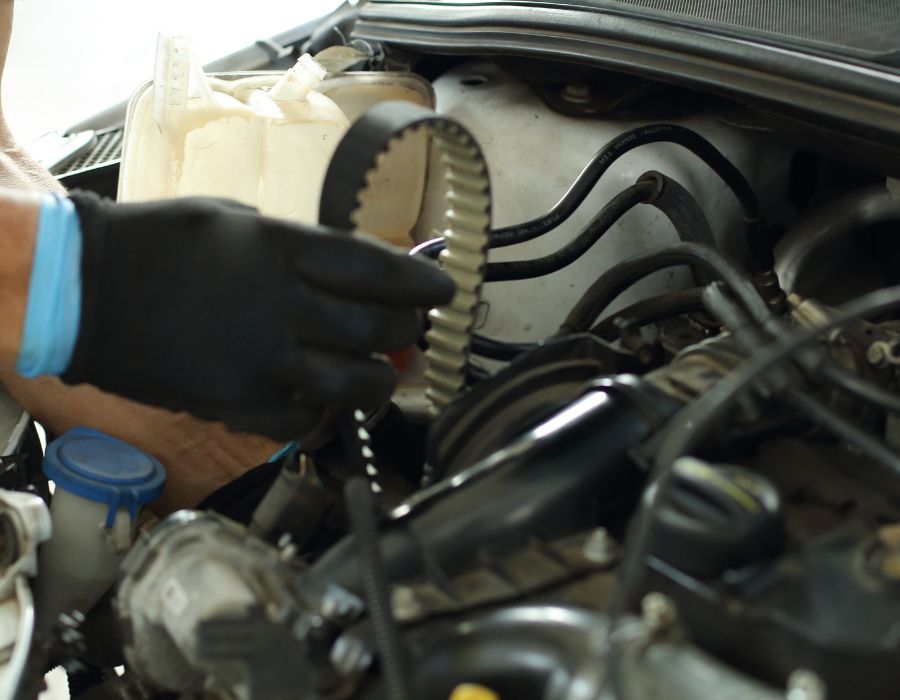
- Complete System Inspection: We examine the belt, tensioner, idler pulleys, and all driven accessories for problems.
- Pulley Alignment: We check pulley alignment to prevent premature belt wear.
- Tensioner Testing: We test the automatic tensioner for proper operation and replace it if necessary.
- Accessory Function: We verify that all belt-driven accessories operate properly before and after replacement.
- Quality Installation: We use OEM or equivalent belts and ensure proper routing and tension.
- System Testing: We test all accessories after installation to verify proper operation.
Belt Tensioner and Idler Pulleys
- Automatic Tensioner: Maintains proper belt tension as the belt stretches over time. Tensioners can fail and need replacement.
- Idler Pulleys: Guide the belt around its path and can develop bearing problems that cause noise or belt damage.
- Replacement Timing: Tensioners and idler pulleys often need replacement when changing high-mileage belts.
- Quality Parts: We use quality tensioners and pulleys to ensure long belt life and reliable operation.
- Complete Service: Replacing these components together prevents future problems and reduces labor costs.
Benefits of Timely Belt Replacement
- Prevents Sudden Failure: Replacing worn belts before they break prevents roadside breakdowns.
- Protects Accessories: Proper belt tension protects expensive accessories from damage.
- Maintains Performance: Fresh belts ensure all accessories operate at full efficiency.
- Prevents Secondary Damage: Belt failure can damage other components like radiator hoses or cooling fans.
- Reliable Operation: New belts provide consistent power to all accessories.
Emergency Belt Failure
If your serpentine belt breaks while driving:
- Immediate Effects: You’ll lose power steering, charging, and air conditioning immediately.
- Engine Cooling: If your water pump is belt-driven, your engine will overheat quickly.
- Safe Driving: You can drive a short distance without power steering, but it requires much more effort.
- Get Help Quickly: Have your vehicle towed to prevent engine overheating or other damage.
- Don’t Ignore Warning Signs: Strange noises or accessory problems often precede belt failure.
Seasonal Belt Considerations
- Summer Stress: Hot weather and air conditioning use put maximum stress on serpentine belts.
- Winter Challenges: Cold weather makes belts stiff and more prone to cracking.
- Spring Inspection: After winter, inspect belts for damage from cold weather and road debris.
- Pre-Trip Service: Before long summer vacations, ensure your belt is in good condition for reliable air conditioning.
Belt Maintenance Tips
- Regular Inspection: Check your belt every few months for cracks, fraying, or glazing.
- Keep It Clean: Oil leaks or debris contamination reduce belt life significantly.
- Listen for Noises: Squealing or chirping sounds often indicate belt problems.
- Professional Service: Have belts inspected during routine maintenance.
- Replace Preventively: Don’t wait for belt failure – replace worn belts before they break.
Multi-Belt vs Serpentine Systems
- Older Vehicles: Some older cars use multiple V-belts instead of one serpentine belt.
- V-Belt Service: Multiple belts require individual replacement and adjustment.
- Conversion Options: Some older vehicles can be converted to serpentine belt systems for better reliability.
- System Advantages: Serpentine belts are more efficient and reliable than multiple V-belts.
Cost Considerations
Serpentine belt replacement is relatively inexpensive preventive maintenance:
- Belt Cost: Quality serpentine belts typically cost $30-80 depending on your vehicle.
- Labor Time: Replacement usually takes 30-60 minutes depending on accessibility.
- Additional Components: Tensioners and idler pulleys add cost but prevent future problems.
- Emergency vs Preventive: Preventive replacement costs much less than emergency roadside service.
- Value: Belt replacement is one of the most cost-effective maintenance services.
Performance and Racing Belts
- High-Performance Applications: Modified engines or racing applications may need special high-strength belts.
- Upgraded Materials: Some performance belts use advanced materials for better heat resistance.
- Competition Use: Racing belts are designed for extreme conditions but may have shorter street life.
- Pulley Modifications: Performance modifications may require different belt routing or lengths.
Belt Routing and Installation
- Proper Routing: Serpentine belts must follow exact routing patterns to operate correctly.
- Routing Diagrams: We reference factory diagrams to ensure correct belt installation.
- Tension Specifications: Proper belt tension is critical for long life and good performance.
- Break-In Period: New belts may make slight noises until they seat properly on the pulleys.
Common Belt Problems
- Squealing: Usually indicates worn belt, improper tension, or misaligned pulleys.
- Rapid Wear: Often caused by misaligned pulleys, faulty tensioner, or contamination.
- Jumping Off Pulleys: Indicates severe misalignment or damaged pulleys.
- Premature Cracking: Can result from heat, ozone exposure, or oil contamination.
- Tensioner Failure: Automatic tensioners can fail and cause belt problems.
Why Choose Our Belt Service
We’ve been replacing serpentine belts for over 15 years and understand the critical role they play in vehicle operation. Our technicians know the correct belt routing for different vehicles and can spot potential problems before they cause failures.
We stock quality belts, tensioners, and pulleys for most vehicles and can complete replacement quickly. We also inspect the entire belt system to prevent future problems and ensure reliable operation.
Schedule Your Belt Inspection
Don’t wait for belt failure to leave you stranded without power steering, charging, or air conditioning. If your belt is squealing, showing cracks, or approaching 60,000 miles, give us a call for inspection.
Belt replacement is quick, affordable preventive maintenance that prevents expensive breakdowns and protects your engine accessories. We provide honest assessments and quality parts that keep your vehicle running reliably.
Areas We Serve
- Winchester Lexington
- Lane Allen Lexington